The Rural Rundown: Q3 2026 - The Impacts of Rising Costs on Rural Homeowners

As fall approaches, rising costs throughout the economy continue to challenge many in rural America. Though the stock market continues to show strong performance, cash flow for many families remains a concern.
In this edition of The Rural Rundown, we’ll look at:
- Current trends in the economy
- The impacts of rising fuel costs
- Some easy ways to limit energy consumption
- Helpful hints on reducing unnecessary monthly bills
Market at a Glance
Markets remain strong, but consumer confidence continues to drop as inflation worries increase. Here are the highlights:
- Unemployment rates remain steady at around 4.2%
- Inflation continues to rise, with a 4.2% increase in May followed by 3.5% in June
- Consumer sentiment continues to decline, driven by inflation concerns and rising fuel costs
- Federal interest rates are down slightly from last year, increasing interest in refinancing from current homeowners
- The home market is leaning towards more of buyer’s market, though the rural Midwest remains more stable than other areas of the country
Rural Impacts of Rising Fuel Costs
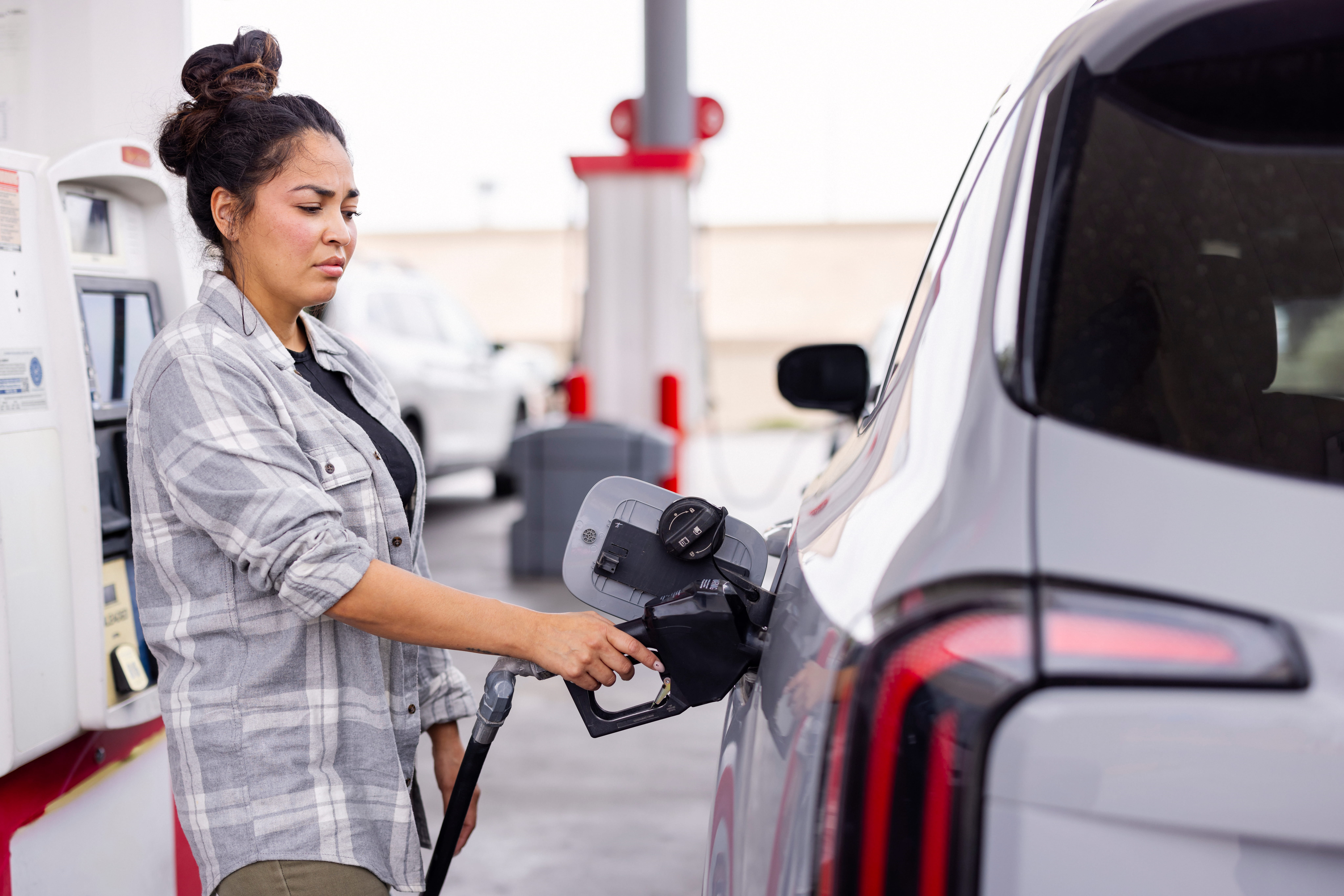
While rising fuel costs affect all consumers, residents in rural areas face more exposure. Longer travel distances, limited transportation options, and dependence on fuel-intensive industries, such as agriculture, increase the negative impacts.
As the price of fuel increases, it leads to higher agriculture input and transportation costs, which is felt immediately in the ag industry. Some estimates show that fuel and fertilizer costs have risen between 20 and 40 percent in the past few months. This, coupled with low commodity prices, is leading many to predict that most crops will remain below breakeven levels into 2027.
For the rest of the economy, higher fuel costs increase the cost of manufacturing and transporting goods, which contributes to continued increases in consumer pricing.
Reduce Pain at the Pump
You can’t control the price of fuel, but you can make sure you’re maximizing your car’s fuel efficiency so you can get farther when you fill up your tank. Consider these fuel-saving tips and tricks this month:
- Don’t Have a Lead Foot: Putting the “pedal to the metal” might sounds exciting, but it does use a lot more fuel. Rapid changes in speed can increase your fuel usage by up to 30 percent. Calm that accelerator foot down, and use cruise control on the highway to keep a steady speed and your car just sipping from the gas tank.
- Check Tire Pressures Monthly: Underinflated tires increase rolling resistance and waste fuel. Keep your tires at the recommended psi (pounds per square inch) and your car will use less fuel and ride better down the road. Many newer cars have a sticker inside the door that lists the proper psi for your vehicle. You can also find the maximum psi listed on the sidewall of your tires – be sure not to exceed that amount.
- Replace Dirty Air Filters: Keep your engine breathing easily and running efficiently by replacing the engine air filter as needed. It’s recommended to change these filters every 15,000 to 30,000 miles, or at least once a year.
- Skip the Premium Gas: Unless your car manual says that premium fuel is required, you can likely get by just fine with standard or midgrade fuel and not see a reduction in your fuel economy.
- Shed the Unnecessary: If your car has a roof rack, remove it when you’re not using it to increase your car’s aerodynamics. You can also reduce your car’s weight by removing any heavy, unneeded items from the trunk.
Lower Utility Costs at Home
While you’re at it, why not find easy ways to reduce your utility bills at home. Consider these easy adjustments to start saving today:
- Block the Sun: Close blinds and curtains during these final hot days of summer to keep the heat out.
- Use Your Ceiling Fan: Fans don’t actually cool the space, but they are an inexpensive way to make you feel cooler. Run them counterclockwise in the summer for a cooling breeze. In the winter, switch them to clockwise to push rising heat from your ceiling back down to you.
- Check Your Furnace Air Filters: Dirty filters make your HVAC system work harder and use more power. Depending on your style of filter, you may need to change these as often as every 30 days.
- Adjust the Thermostat: Consider setting it a degree or two higher in the summer and lower in the winter to save some serious money without sacrificing comfort. You can save up to 3% on your monthly bill by adjusting just one degree.
- Lower Your Water Heater Temperature: Check to see what level your water heater is set on. You can lower it down to 120°F without losing comfort.
- Unplug Those Vampire Electronics: Many devices continue to pull power even when they’re “off.” Use power strips for chargers, TVs, gaming consoles and other devices to stop the bleeding.
Audit Your Subscriptions to Save Every Month
How many monthly subscriptions does your household currently have? How many are you forgetting about? The average American has over 5 monthly subscriptions totaling around $219, but most of us think we’re only paying around $86!
Check your accounts and calculate what you’re truly paying each month for these services. Determine if you’re even using them or if you’re truly getting enough value from these monthly expenses. If not, consider canceling or pausing some to see if you even miss them.
Lean on Your Lending Experts
In a market where every dollar of your monthly payment matters, we’re the lender who keeps a pulse on market patterns and trends and knows rural properties inside and out.
What we do at Compeer Home™ is help you see the full picture clearly, find options you may not know exist, and move quickly on properties that require expertise.