8 Ways to Provide the Best Care For Your Rural Dogs
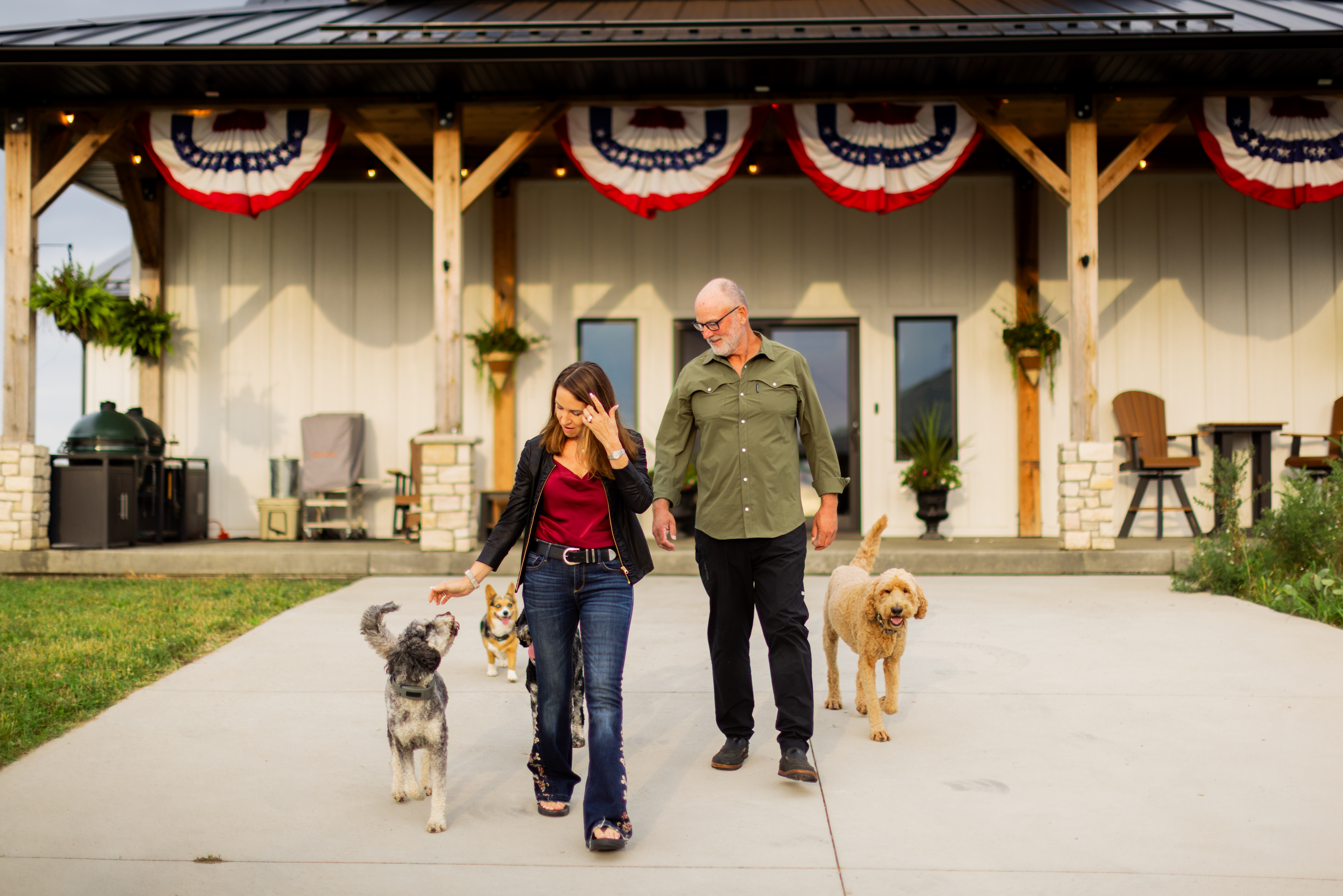
August is National Dog Month, but it’s always a good time to remind yourself how to take care of “man’s best friend.”
Caring for dogs in rural settings requires special attention so they receive the care and safety they deserve from their owners. Happy dogs make life in the country even more enjoyable for their humans. Here are 8 ways to best care for your country pups.
1. Provide Proper Shelter
Country dogs are tough, but they still need protection from Mother Nature. Outside dogs need a sturdy, insulated doghouse. Be sure to orient the doghouse to limit exposure to wind and rain. It is important to provide constant access to shade during the summer. In the winter months, additional bedding, such as straw, can help keep dogs warm on cold nights.
2. Protect from Wildlife and Other Hazards
Life in the country poses different risks than in the city. Dogs are much more likely to be exposed to dangerous wildlife. Installing a strong fence or reliable underground fence can help protect dogs from harmful encounters with neighboring wildlife and other nearby dogs.
Parasites such as ticks and fleas can also pose health risks for both dogs and humans. Regular inspection of your dog’s fur can help reduce these threats for both dogs and their owners.
There are many other hazards in the country, such as large farm equipment and fast-moving vehicles. Proper precautions must be made to limit your dog’s exposure to these threats.
3. Ensure Fresh Food and Water
Fresh, clean water is essential for all animals. Be sure to give your dog constant access to water. Regular cleaning of the water bowl is very important for your dog’s health. Stagnant water and your dog’s saliva quickly build up a slimy bacterial film called “biofilm.” To keep your dog’s water fresh, wash the bowl regularly with hot, soapy water.
Active rural dogs burn many calories. It’s important to choose a balanced diet that meets your dog’s energy needs. Give your dog high-protein, high-fat dog food if they are particularly active. Work with your veterinarian as needed to provide the proper nutrition for your pup.
4. Maintain Veterinary Care
It is easy to get behind on regular veterinary care, especially for outside dogs in rural settings. Ensure your dog is up to date on vaccinations, especially for diseases more common in rural settings, such as Leptospirosis and Rabies. Talk with your vet about preventative medications that can help limit other common health risks to your dog.
5. Properly Train Your Dog
Training your dog is essential for your dog’s health and safety. Rural dogs often have wide open spaces to roam, which increases the need for training in off-leash control and interaction with other animals. Basic commands and recall training will help you keep your dog protected when new distractions and challenges appear.
6. Offer Exercise and Mental Stimulation
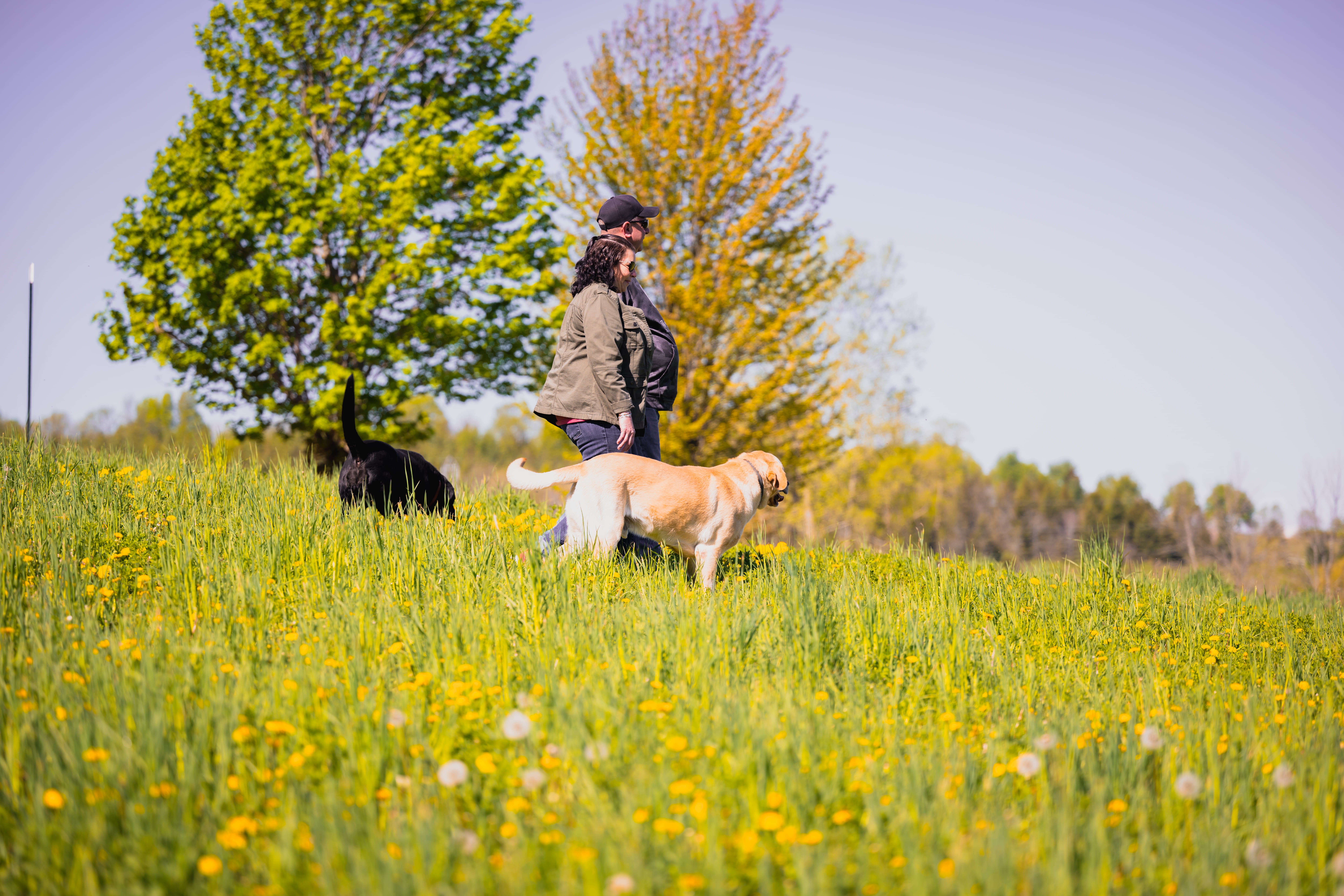
Dogs in rural settings often have access to wide open spaces, which helps facilitate plenty of exercise. Based on your own situation, it may still be important for you to schedule structured exercise for your rural dog. Consider playing long-distance fetch with your dog or creating a natural obstacle course with features of your rural property. It is also a good idea to regularly walk the perimeter of your property to build endurance while reinforcing boundaries.
Mental stimulation is equally as important for dogs. Many destructive behaviors in dogs can be solved simply by regular mental exercises. Playing fun “hide and seek” type games with your dog, taking them on walks in new locations, and providing them interactive toys are all good options to keep your dog from getting bored.
7. Spay or Neuter
Unaltered dogs may travel for miles in search of mates. Spaying and neutering reduces the risks of vehicle collisions, getting lost, and contracting diseases from other wildlife. These simple procedures also lower the risk for an assortment of infections, cancers, and diseases in dogs. Spaying and neutering may also save you money by lowering the risk of emergency surgeries or unexpected litters of puppies.
8. Adjust Care for Aging Dogs
As your dog ages, they may need a change in care to keep them comfortable and healthy. Older dogs love the ability to regulate their body temperature. They may need to be transitioned to a climate-controlled indoor space during extreme weather. Ramps, steps, or other accommodations may also need to be provided to help them access needed areas of the property. Older dogs may also need to have more frequent veterinary checkups to manage symptoms.
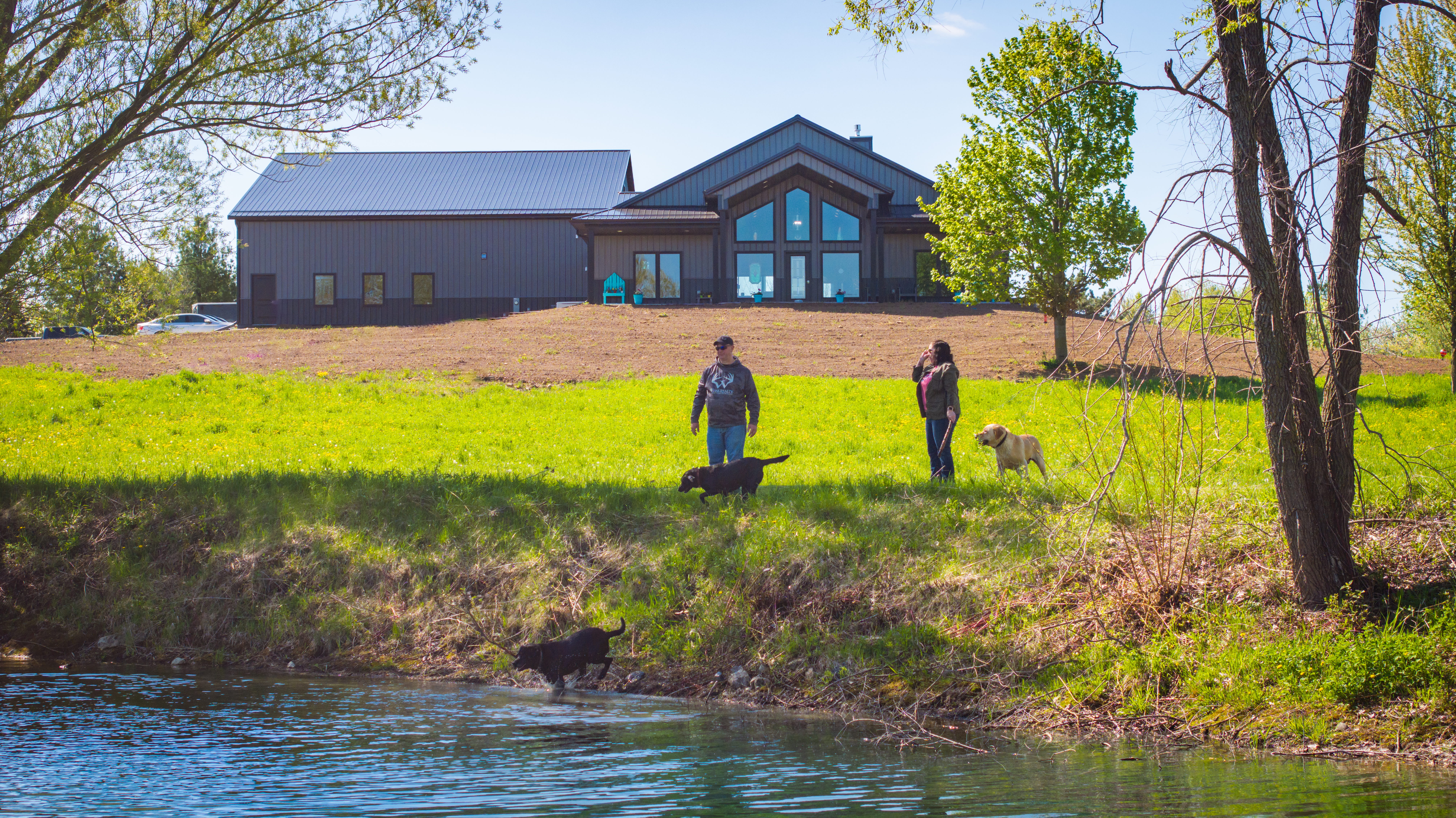
Dogs can truly make life in the country more meaningful and enjoyable. Let’s honor our furred friends by taking great care of them throughout the year.
At Compeer HomeTM, we don’t just help you find a home in the country. We celebrate the life you build there. Explore more ideas and inspirations for your country life on our rural lifestyle page.
If you’re trying to find that new place in the country for your dog to run around and play, we’re here to help you find the financing that fits your plans.