Hobby Farm Loan Options for Landowners and New Buyers
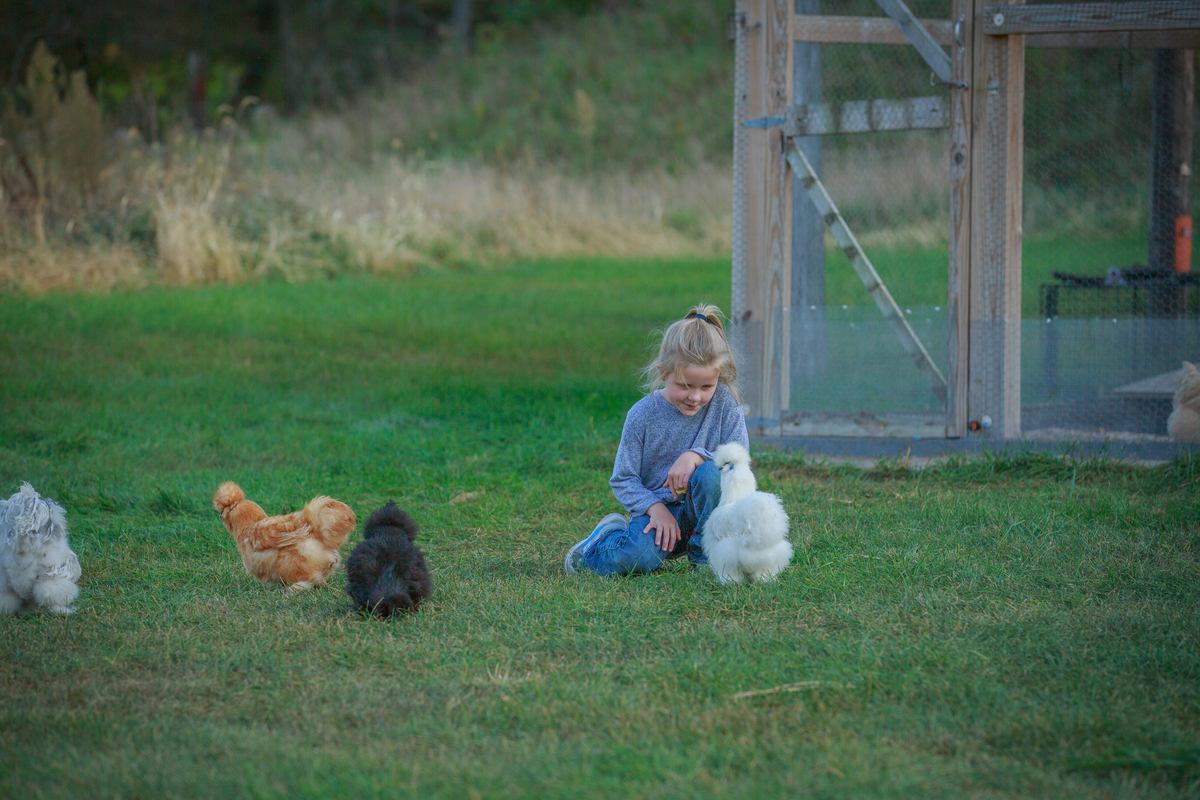
If you’ve outgrown your backyard gardens or small livestock projects and want more room to grow, a hobby farm could be the next step. Hobby farms offer space to expand your skills, live more sustainably and enjoy rural life without taking on full-scale commercial farming. Yet one of the most important parts of getting started is understanding how hobby farm financing works.
This guide helps you explore your financing options whether you already own land or looking to buy your first rural property. By the end, you’ll know what types of loans to consider and how Compeer Home can help you feel confident as you plan your next move.
Hobby Farm Loan Options for Landowners
If you already own a home on a few acres, you may be able to use your existing property to help fund your hobby farm goals. Your focus is likely equipment, fencing, outbuildings or infrastructure rather than buying land, which gives you a few options to consider.
1. Home Equity Lines of Credit (HELOC)
A home equity line of credit (HELOC) allows you to borrow against the equity you’ve built in your home. It works as a revolving line of credit, meaning you can draw funds as needed during a set period of time, often around 10 years. During this period, you typically pay only the interest on what you borrow. Afterward, you repay both interest and principal.
A HELOC offers flexibility, but the interest rate is variable. Your monthly payment can change as the market shifts, so it’s important to budget for potential rate increases.
2. Home Equity Loans
A home equity loan also uses your property’s value, but it provides a single lump sum rather than a revolving line of credit. These loans usually have fixed interest rates and predictable monthly payments over a set term, often around 20 years.
This option works well for homeowners who know exactly how much they need to borrow for their hobby farm projects.
Important Consideration for Both Options
With either a HELOC or home equity loan, your home serves as collateral. If you’re unsure about using your primary residence to secure financing, you still have plenty of other ways to move forward with your hobby farm plans.
Take our loan quiz to help identify loan options that best align with your hobby farm goals.

Hobby Farm Financing for New Buyers
If you’re searching for the perfect acreage to start your hobby farm or want to avoid borrowing against your current home, several financing options can help you begin your rural journey.
1. Hobby Farm Loans
Compeer Home offers hobby farm loans designed specifically for small acreage properties. These loans can help you secure land and a home that fit your long-term goals.
2. Land Loans
If your dream property doesn’t include a house yet, a land loan may be the right fit. This option can help you purchase open acreage to develop over time.
3. Construction Loans
When building a home, barn or outbuildings is part of your plan, construction loans provide short-term funding during the build process and then convert into a long-term mortgage.
4. Starter Loans and Livestock Loans
Depending on your goals, you may benefit from additional loan options for fencing, equipment or livestock. A financial professional can help you understand what’s available and how each loan supports different parts of your hobby farm.
The Right Financing Partner Makes the Difference
Financing a hobby farm is easier when you work with a lender who understands rural properties. Acreage, outbuildings and land use can all affect your loan options, and having a knowledgeable partner can help you move forward with confidence.
Working with Rural Experts
Compeer Home specializes in rural properties across Minnesota, Wisconsin and Illinois. Our team can help you explore financing options that support your goals and guide you through what to expect as you begin your hobby farm journey.