Construction Loans: Answering Common FAQs for Rural Builders
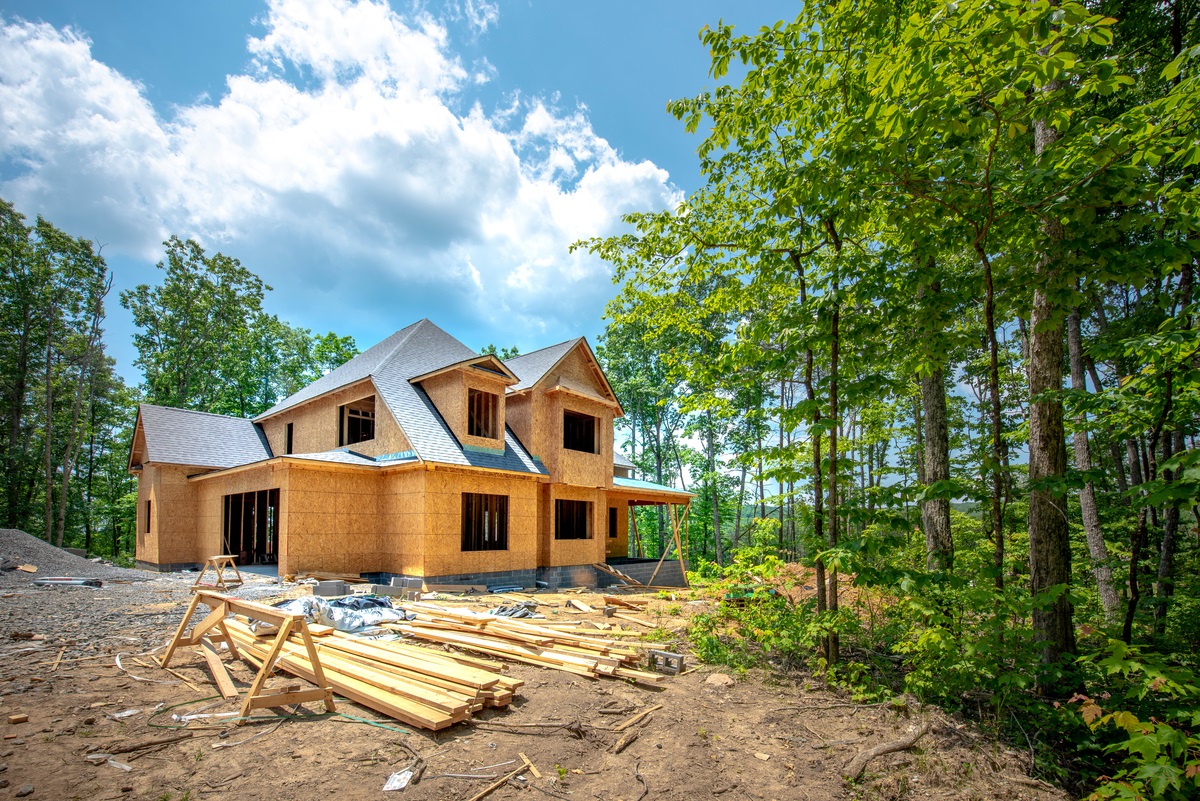
If you’re dreaming of building a home in the country, refreshing the one you love or taking your property to the next level, it’s easy to picture the possibilities. Turning those dreams into something real? That’s where the questions start, especially if you’re new to the construction process.
A construction loan can be a powerful tool to help you build or renovate with confidence. To help you get started, we’ve answered some of the most common questions we hear from clients planning their next big project.
1. What is a construction loan?
A construction loan is short-term financing used to cover building costs. There are two main reasons you might need a construction loan:
- If you own land and want to build a new home
- If you own a property and want to do renovations
If you’re building a new home, construction loans are ideal for covering expenses during the building process. Construction loans give you flexibility to choose the contractors you want to work with while building your home, and most loans can usually be converted into a longer-term mortgage after the construction stage to help streamline the process. Compeer Home™ even gives qualified clients the option to serve as their own general contractor, a unique benefit many traditional lenders don’t offer.
If you’re undertaking renovations, a construction loan can be used to finance remodeling or repairs of your home or other outbuildings on your property, such as sheds or barns. Basically, any project that will add value to your personal property could benefit from a construction loan.
2. Are there limitations to a construction loan?
Construction loans aren’t typically designed for projects related to income-producing farms or businesses. Instead, if you want to start or expand a farm, there are a range of agriculture-specific lending options that are likely better suited to meet your needs.
That’s why it’s so important to work with a specialized lender, such as Compeer, that understands rural lending and can help you navigate home loans, agricultural financing and everything in between.
3. What are the requirements to get a construction loan?
You may need to include some paperwork with your construction loan application, such as the building plans for the project you want to finance, a cost breakdown and any construction contracts.
Construction loans typically require a down payment between 15-30% and a healthy credit score. Be prepared to provide some details about your finances such as income and debt, too. Your loan officer can walk you through the process to answer any questions and help you complete your application with confidence.
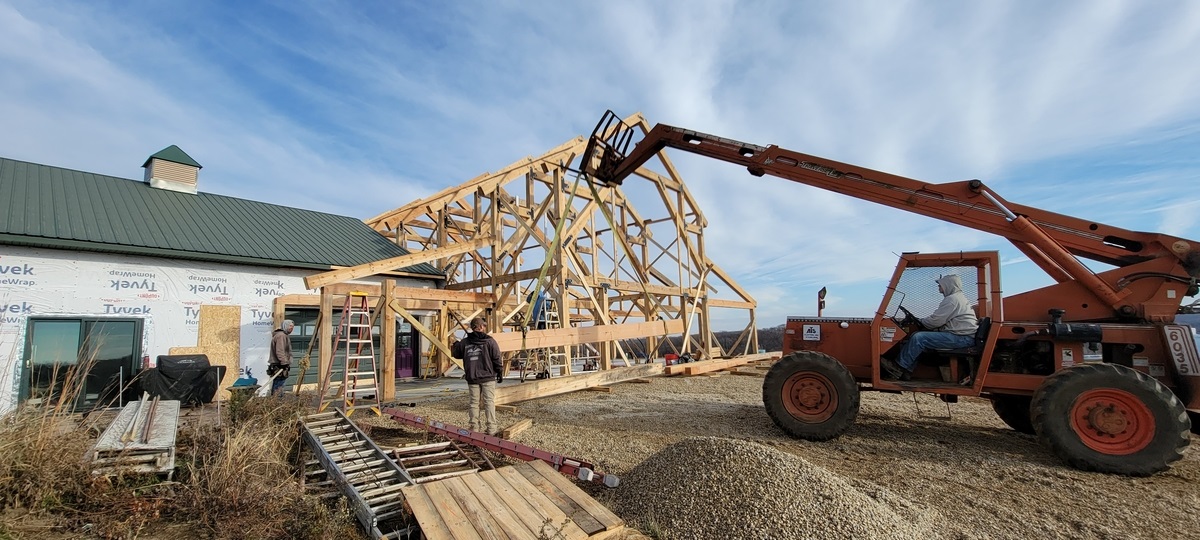
4. What are the pros and cons of construction loans?
Construction loans are built specifically for building or renovating, which means your loan structure, repayment terms and draw schedule are tailored to your project. They give you the power to create your dream home on your terms.
However, these loans may have higher rates compared to other financing options like home equity. And because the loan amount is set before construction begins, there’s less flexibility if your project scope grows or unexpected expenses arise.
If you're comparing a construction loan with other financing tools, you may find it helpful to understand how home equity loans compare to a home equity line of credit (HELOC), especially if you’re considering a different funding source for future projects.
5. Is a construction loan right for you?
The answer depends on your goals, your timeline and how prepared you feel. If you meet the loan requirements, have a clear vision and feel ready to take on the opportunities and challenges of a construction project, a construction loan can be an excellent path forward.
If you’re still unsure, take the time to develop your plans and learn what to expect during the building process as a first-time rural builder before making long-term commitments.
Ready to Take the Next Step?
Building or renovating a rural home is a big milestone, and you don’t have to navigate it alone. At Compeer Home™, your rural home and land lending experts, we’re here to help you understand your options, talk through your goals and guide you toward the financing that fits your vision.