Types of Home Loans Explained: Which is Best for Rural Buyers?
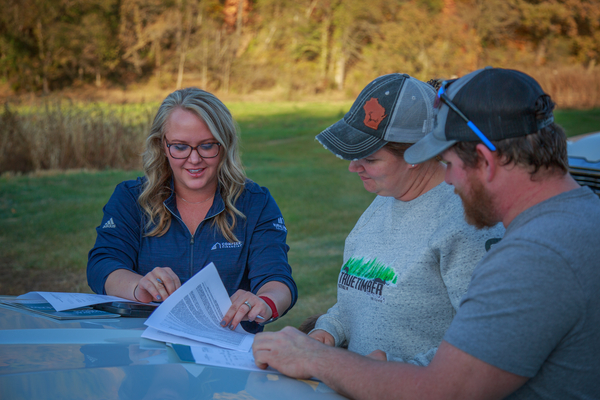
The most common types of home loans include conventional loans, government-backed options like FHA and USDA loans, and specialized programs for first-time buyers. Each loan type is designed for different financial situations, credit profiles, and property types, including options tailored for rural homebuyers.
Here, we cover the different types of home loans for rural buyers. We break down:
- The different types of mortgage loans
- First-time homebuyer loans
- Conventional home loans
- Federal Housing Administration (FHA) loans
- Other home loan options to consider
- Four considerations for choosing the right loan
- Over-time insights on the loan you choose
- Common questions about home loans
What Are the Different Types of Mortgage Loans?
The right home loan for you will depend on your financial situation, the property you're buying, and how much you have saved. The main home loan categories include:
- Conventional loans: Conventional loans are the most common type of mortgage. They're not backed by a government agency, which means lenders set their own requirements around credit, income, and down payment. They tend to work well for buyers with solid credit and stable income who have enough saved for a down payment.
- First-time homebuyer programs: These programs are designed to lower the barrier to entry for people buying their first home. They often come with reduced down payment requirements, more flexible credit guidelines, or other features that make getting started more accessible. Requirements and benefits vary depending on the program and lender.
- Government-backed loans: These loans are insured or guaranteed by a federal agency, which allows lenders to offer more flexible terms than a conventional loan might allow. Common options include FHA loans, which are popular with first-time buyers due to lower down payment requirements, VA loans for eligible veterans and service members, and USDA rural home loans for buyers in eligible areas.
First-Time Homebuyer Loans: What to Know
First-time homebuyer loans are designed for people who haven't owned a home before and are looking to buy in a rural or small-town market. If that's you, you may have more options available than a conventional loan would offer.
First-time homebuyer loan programs are structured to lower the barrier to getting started. That can mean reduced or no down payment requirements, reduced/increased or even no private mortgage insurance, and flexible terms that help keep your monthly payment manageable.
Loan limits can also go higher than you might expect, giving you enough room to find a home that fits your needs.
A first-time homebuyer loan tends to make sense when you have steady income but haven't had the time to build up a large down payment or when a conventional loan feels just out of reach. They're also a strong option if you're buying a rural property and want to work with a lender who understands that market.
Compeer Home specializes in rural and small-town lending across Minnesota, Wisconsin, and Illinois, and has helped thousands of first-time buyers find a path to homeownership that works for them. Explore Compeer Home's first-time homebuyer loan options.
"I grew up in a small town, and I know what it means to people when they finally get to put down roots in those communities. I also know that rural home loans aren't something you can learn from a textbook. You have to know the land, the properties, and the people. That's what we bring to every conversation."
— Jennifer Layton, Compeer Home Loan Officer
Conventional Home Loan Types Explained
A conventional home loan is one of the most common ways people finance a home purchase.
Unlike government-backed loans, conventional loans aren't insured or guaranteed by a federal agency; they follow guidelines set by private lenders and, in most cases, the standards require them to be sold to Fannie Mae or Freddie Mac on the secondary market.
Conventional loans come in two main forms:
- Conforming loans fall within set loan limits and meet standard guidelines, making them widely available from most lenders.
- Non-conforming loans exceed those limits or have characteristics that fall outside standard guidelines, which typically means fewer lenders offer them and the requirements can differ.
Conventional loans tend to work well for buyers who have solid credit and enough saved for a down payment. They're a straightforward option when your financial picture is in good shape and the property you're buying fits standard lending criteria. For buyers with strong qualifications, they can also offer competitive terms.
One of the main advantages of a conventional loan is flexibility, as they can be used for a wider range of property types and loan amounts than some government-backed programs allow.
FHA Loans Explained (And How They Compare)
An FHA loan is a mortgage backed by the Federal Housing Administration, a government agency. Because the government insures these loans, lenders can offer them to a broader range of borrowers than a conventional loan might allow.
FHA loans originate from private lenders but follow guidelines set by the FHA, which reduces the risk for lenders and allows them to extend financing to buyers who might not meet conventional loan requirements.
FHA loans are commonly used by first-time homebuyers, buyers with limited savings, or those who are still building their credit history. The qualification requirements around credit scores and down payments tend to be more flexible than conventional loans.
FHA loans come up most often when a buyer has a lower credit score, a smaller down payment, or both. For many people, an FHA loan is how they get into their first home while still building long-term financial strength.
FHA Loan vs Conventional Loan: What’s the Difference?
The two loan types serve different buyers; neither is universally better. How they differ:
- Credit requirements: FHA loans generally allow for lower credit scores than conventional loans, making them more accessible for buyers still building their credit history.
- Down payment: Both programs offer low down payment options, but FHA loans have historically been more flexible for buyers with less saved.
- Mortgage insurance: This is the most notable difference. FHA loans require mortgage insurance for the life of the loan in most cases. With a conventional loan, mortgage insurance can often be removed once you've built enough equity.
- Property requirements: FHA loans have specific property condition standards that must be met, which can occasionally complicate purchases on older or rural properties. Conventional loans tend to have more flexibility here.
- Loan limits: Both programs have loan limits, though they vary by location and loan type.
Other Home Loan Options to Know
Conventional and FHA loans are not the only options available. Depending on your background, your location, and what you're buying, one of these programs might be a better fit:
- VA loans: VA loans are available to eligible veterans, active-duty service members, and surviving spouses. They're backed by the Department of Veterans Affairs and offer favorable terms in home lending, including no down payment requirement and no private mortgage insurance. If you've served and you're buying a home, a VA loan vs conventional loan is worth exploring.
- USDA loans: USDA loans are backed by the U.S. Department of Agriculture and are designed specifically for buyers purchasing in eligible rural and suburban areas. They offer no down payment options and competitive terms, making them one of the most accessible paths to homeownership for rural buyers. Income limits and property eligibility requirements apply.
- Down payment assistance programs: Many states and local housing agencies offer programs that help buyers cover down payment and closing costs. These programs vary widely by location, income level, and property type.
- Portfolio loans: Some lenders offer loans they keep in-house rather than selling on the secondary market. Because they set their own guidelines, portfolio loans can be more flexible for buyers or properties that don't fit neatly into conventional or government-backed program requirements. This is especially relevant for rural buyers looking at non-traditional properties like manufactured homes, barndominiums, or properties with significant acreage.
- First-time homebuyer programs: Many lenders and state housing finance agencies offer their own first-time buyer programs with reduced barriers to entry. Compeer Home's First-Time Homebuyer Loan is built specifically for rural and small-town buyers.
"A lot of rural buyers assume they won't qualify because the property is unusual or their situation doesn't fit the standard mold. That's exactly where we do our best work. There are more options out there than most people realize, and finding the right one is what we're here for."
— Steve Leffew, loan officer, Compeer Home
Mortgage Loans and Considerations
Loan Type | Best For | Key considerations | Rural fit |
| Conventional | Buyers with strong credit and stable income | Flexible property options, mortgage insurance can be removed | Good for standard rural properties, may be limited for non-traditional homes |
| FHA | First-time buyers or those building credit | Mortgage insurance required for life of loan in most cases | Property condition requirements can be a factor with older rural homes |
| USDA | Buyers in eligible rural and suburban areas | Income limits and property eligibility requirements apply | Strong fit, designed specifically for rural areas |
| VA | Eligible veterans and service members | No down payment, no PMI, strong terms | Good fit where property meets VA guidelines |
| First-Time Homebuyer Programs | Buyers purchasing their first home | Varies by lender and program | Compeer Home's program is built specifically for rural and small-town buyers |
| Portfolio loans | Non-traditional properties and buyers | Guidelines set by individual lender | Fit for manufactured homes, barndominiums, and properties with acreage |
How to Choose the Right Home Loan for You
Still asking, "what type of mortgage is best for me?" The right loan depends on where you are financially, what you're buying, and when you need to move.
Here are the top four considerations to help you narrow down your options:
- Your credit profile: Your credit history shapes what programs you qualify for and what terms you'll be offered. Strong credit opens the door to conventional loans with competitive terms. If your credit is still a work in progress, FHA or first-time buyer programs may offer a more accessible path.
- Your savings: How much you have set aside affects both what you can put down and what's left over after closing. Some programs require little to no down payment, which can be the difference between buying now and waiting. But upfront costs go beyond the down payment, so a clear picture of what you'll need on day one matters.
- Your timeline: Are you ready to move in the next few months, or are you still a year or two out? If you're close, the focus shifts to what you qualify for right now. If you have more time, you may be able to improve your credit, build more savings, or pay down debt in ways that open up better options.
- The property you're buying: This is where a lot of buyers get surprised. Not every loan works for every property. Manufactured homes, properties with significant acreage, barndominiums, and homes with well and septic systems can all affect which programs are available to you.
Rural properties in particular come with nuances that standard loan programs aren't always built for, which is why working with a lender like Compeer Home who knows that market matters.
How Your Loan Choice Impacts Your Costs Over Time
The loan you choose follows you for years, so understanding how different loan structures affect what you pay over time is critical.
- Your monthly payment: Your monthly payment is shaped by the purchase price, your loan term, the interest rate you qualify for, the need for mortgage insurance, and your down payment.
Two buyers purchasing the same home can end up with different monthly payments depending on the loan they choose and the terms they qualify for. That's why comparing options side by side, not just looking at the rate, gives you a clearer picture of what you're signing up for.
Want to run the numbers on your situation? Use the Compeer Home Mortgage Calculator to get an estimate of what your monthly payment could look like. - What you pay over the life of the loan: A lower monthly payment isn't always the cheapest option over time. A longer loan term reduces what you owe each month but means you're paying interest for more years, which adds up.
Mortgage insurance, if it's part of your loan, is an added cost that continues until you've built enough equity to remove it. Small differences in rate, term, and loan structure can mean tens of thousands of dollars over the full life of a mortgage. - Flexibility over time: Some loans offer more flexibility than others as your situation changes. The ability to refinance, convert your rate, or access your equity down the road are all things worth discussing upfront.
Take the time to understand what you're agreeing to and work with someone who will walk you through it honestly. That's what our team at Compeer Home promises.
Common Questions About Home Loan Options
Choosing a mortgage comes with a lot of questions, as it should. It's a major life decision.
The right loan looks different for every buyer, and understanding your options is how you make a confident decision.
One thing worth noting before you dig into the details: there are different types of mortgage lenders to consider. Banks, mortgage companies, and specialty lenders all offer home loans, but their products, guidelines, and areas of expertise vary.
For rural buyers in particular, working with a lender who understands the properties and markets you're buying in can make a significant difference in how smoothly the process goes.
Below are the questions we hear most often from buyers working through their options.
-
The biggest differences come down to credit requirements, mortgage insurance, and property eligibility.
FHA loans tend to be more accessible for buyers with lower credit scores or smaller down payments, but they require mortgage insurance regardless of how much you put down. Conventional loans offer more flexibility on property type and allow you to remove mortgage insurance once you've built enough equity. -
It depends on your financial situation, but first-time homebuyer programs and FHA loans are two of the most common starting points because they're designed with more flexible entry requirements.
For rural and small-town buyers, specialty programs like the Compeer Home First-Time Homebuyer Loan are worth exploring because they're built specifically for that market. -
The main categories are conventional loans, government-backed loans like FHA, VA, and USDA, and specialty programs like first-time homebuyer loans.
-
Government-backed loans like FHA and USDA generally have more flexible qualification requirements than conventional loans, making them more accessible for buyers who are early in their financial journey.
That said, "easiest to qualify for" isn't always the same as "best fit for your situation," so it's worth having a conversation with a lender about your options. -
Rural buyers have more options than many people realize. USDA loans are designed specifically for eligible rural areas and offer no down payment options. Specialty lenders like Compeer Home offer programs built around the realities of rural and small-town markets, including financing for manufactured homes, properties with acreage, and non-traditional property types.
-
Start with your credit profile, how much you have saved, your timeline, and the type of property you're buying. From there, a lender who knows your market can help you match those factors to the right program.